
Stay posted with kuikwit's informative posts
The Future of Customer Communication: Messaging in 2030
Discover how customer communication will evolve by 2030. From conversational AI to omnichannel messaging, learn how businesses can prepare for the future of messaging today.

Tag:
Published:
1 year ago
Updated:
3 months ago
Reading_time:
4 min read
Why Messaging I...
Hyper-Personali...
Conversational ...
True Omnichanne...
Messaging Will ...
Voice and Video...
Data Security W...
Small Businesse...
Preparing Your ...
Final Thoughts
FAQs — People A...
Tag:
Published:
1 year ago
Updated:
3 months ago
Reading_time:
4 min read
Customer communication has changed more in the last decade than in the fifty years before it. What once relied on phone calls and emails has shifted toward instant messaging, AI-driven chats, and connected omnichannel conversations. And this shift isn’t slowing down. If anything, it’s accelerating.
As we look toward messaging in 2030, one thing becomes clear: communication won’t just be faster. It will be smarter, more personal, and woven into every step of the customer journey. For businesses, preparing now isn’t optional—it’s survival.
Why Messaging Is the Future of Communication
Modern customers don’t just buy products anymore; they buy experiences. They want ease, familiarity, and immediacy in how they interact with brands. Messaging fits perfectly into this expectation because it’s already part of everyday life. People message friends, family, and colleagues constantly.
By 2030, messaging will become the primary way customers connect with businesses. Email will still exist, but messaging trends shaping customer communication show that messaging will carry the emotional weight of conversations. Brands that master it will build trust naturally. Those that don’t will feel distant and slow.
Hyper-Personalization Will Become the Standard
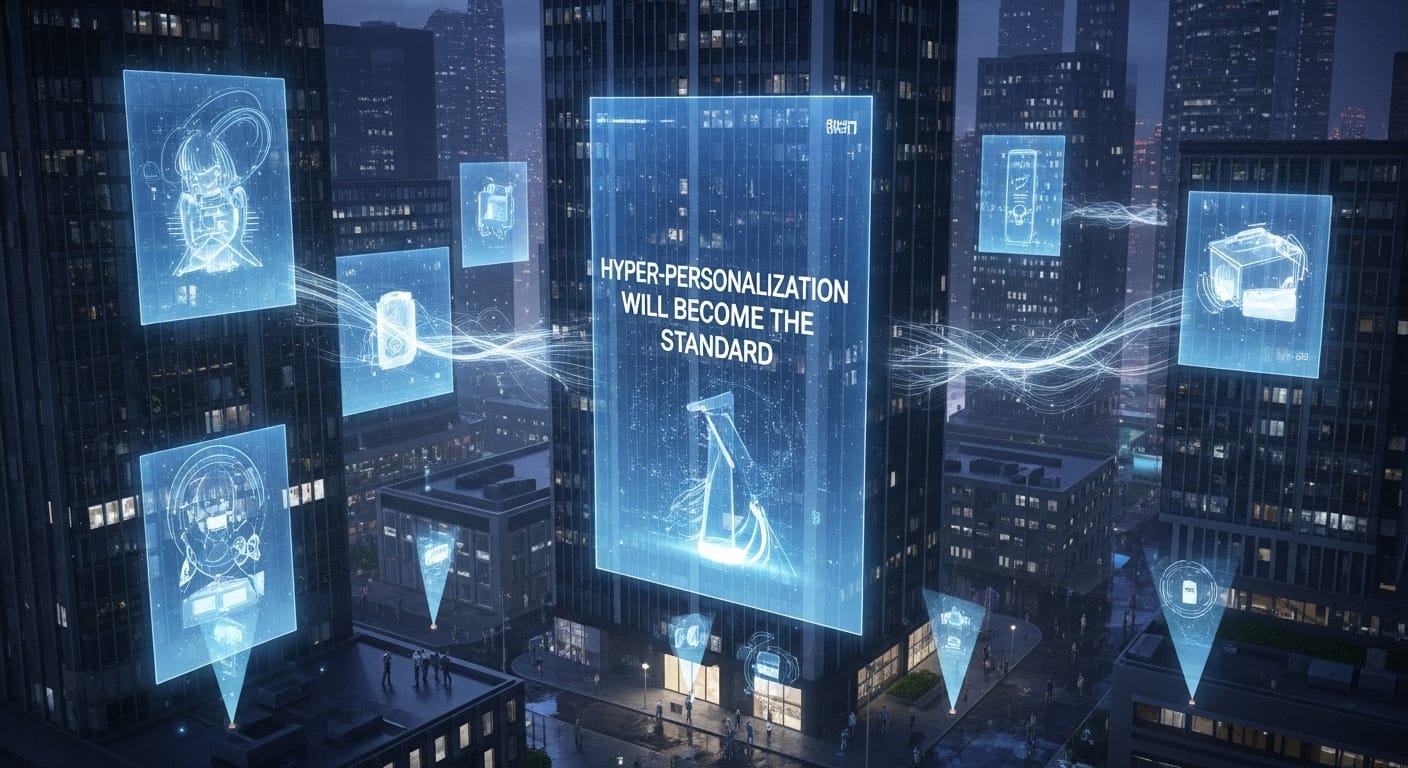
Generic replies won’t survive in the next decade. Customers will expect businesses to recognize them instantly and respond with context. By 2030, messaging platforms will use real-time data to adapt tone, language, and recommendations automatically.
This level of personalization won’t feel intrusive if done right. Instead, it will feel helpful. Messages will reflect preferences, past behavior, and even mood. Businesses that invest in personalization early will see stronger loyalty and higher lifetime value over time.
Conversational AI Will Feel More Human
AI in messaging today is helpful, but often obvious. By 2030, conversational AI will feel far more natural. Instead of scripted bots, customers will interact with assistants that understand context, emotion, and intent.
These systems will remember past conversations across channels and handle complex requests before looping in a human when needed. The goal won’t be replacement, but collaboration. Automation will handle volume, while humans focus on empathy and judgment.
True Omnichannel Messaging Will Be Expected
Right now, many businesses still struggle with fragmented conversations. A customer might start on Instagram, switch to email, and then end up on WhatsApp—only to repeat themselves each time. By 2030, that experience will feel outdated.
Customers will expect one continuous conversation, regardless of where it starts or ends. Omnichannel messaging will no longer be a competitive advantage. It will be the baseline. Businesses that unify conversations will feel organized, attentive, and reliable.
Messaging Will Drive Sales, Not Just Support.

In the future, messaging won’t exist only for problem-solving. It will actively drive revenue. Customers will browse products, ask questions, and complete purchases inside conversations without switching platforms.
AI will suggest relevant products in real time, and post-purchase support will blend seamlessly into upselling opportunities. Sales and support will no longer feel like separate departments. Instead, they’ll work together inside a single, fluid conversation.
Voice and Video Will Become Part of Messaging
Text alone won’t be enough by 2030. Messaging will expand to include voice notes, video calls, and even visual tools like augmented reality. Customers will expect richer ways to communicate when text feels limiting.
Imagine showing a product via video or previewing it in your space using AR—all without leaving the chat. These formats will create deeper connections and reduce friction, especially for complex or high-consideration purchases.
Data Security Will Define Brand Trust
As messaging becomes central to business relationships, trust will hinge on security. Customers will care deeply about how their data is stored, used, and protected. Privacy won’t be a checkbox—it will be a deciding factor.
By 2030, brands that prioritize encryption, transparency, and ethical AI use will stand out. Those that cut corners will lose credibility fast. Messaging platforms will need to balance intelligence with responsibility.
Small Businesses Will Compete on Equal Ground

The future of messaging won’t belong only to big enterprises. Small businesses will gain access to tools that once required massive budgets. Automation, omnichannel inboxes, and AI support will become affordable and accessible.
This shift levels the playing field. Small brands will compete by being faster, more personal, and more authentic. Messaging will amplify agility, not size.
Preparing Your Business for Messaging in 2030
The move toward messaging-first communication is already underway. Businesses that prepare now will adapt smoothly, while others scramble later. Investing in automation, training teams to balance speed with empathy, and unifying channels are smart early steps.
Listening to customers remains essential. Messaging isn’t just about technology. It’s about understanding how people want to be treated—and meeting them there.
Final Thoughts
The future of customer communication is no mystery. Messaging in 2030 will be faster, smarter, and more human than ever. Businesses that embrace personalization, omnichannel experiences, and ethical AI will thrive naturally.
The real question isn’t whether messaging will shape the future. It’s whether your business is ready to be part of the conversation when customers expect it most.
FAQs — People Also Ask
Why will messaging be so important by 2030?
Because customers prefer fast, familiar, and convenient communication that fits into their daily habits.
Will AI replace human customer support?
No. AI will handle routine tasks, while humans focus on empathy, problem-solving, and complex situations.
What does true omnichannel messaging mean?
It means customers can switch platforms without losing context or repeating themselves.
Can small businesses afford advanced messaging tools?
Yes. By 2030, powerful messaging tools will be accessible and affordable for businesses of all sizes.
How can businesses start preparing now?
By investing in messaging platforms, training teams, and focusing on consistent, empathetic communication.