
Stay posted with kuikwit's informative posts
WhatsApp Marketing in 2026: How US Businesses Turn Chats Into Sales
WhatsApp marketing is helping US businesses turn everyday conversations into leads, sales, and repeat customers. This guide explains how it works, where it fits in your sales process, and how to use automation, AI, and better follow-ups without losing the human touch.
Tag:
Published:
6 months ago
Updated:
6 months ago
Reading_time:
13 min read
Why People Actu...
Stop Blasting. ...
When the Basic ...
Chat Is Not a S...
Your Biggest Pr...
B2B Is Slower, ...
Automate the Bo...
AI Is Useful. I...
Managers: You N...
Tracking the Sa...
Your Messaging ...
Common Mistakes...
WhatsApp vs. Em...
A Quick Word on...
FAQs
Tag:
Published:
6 months ago
Updated:
6 months ago
Reading_time:
13 min read
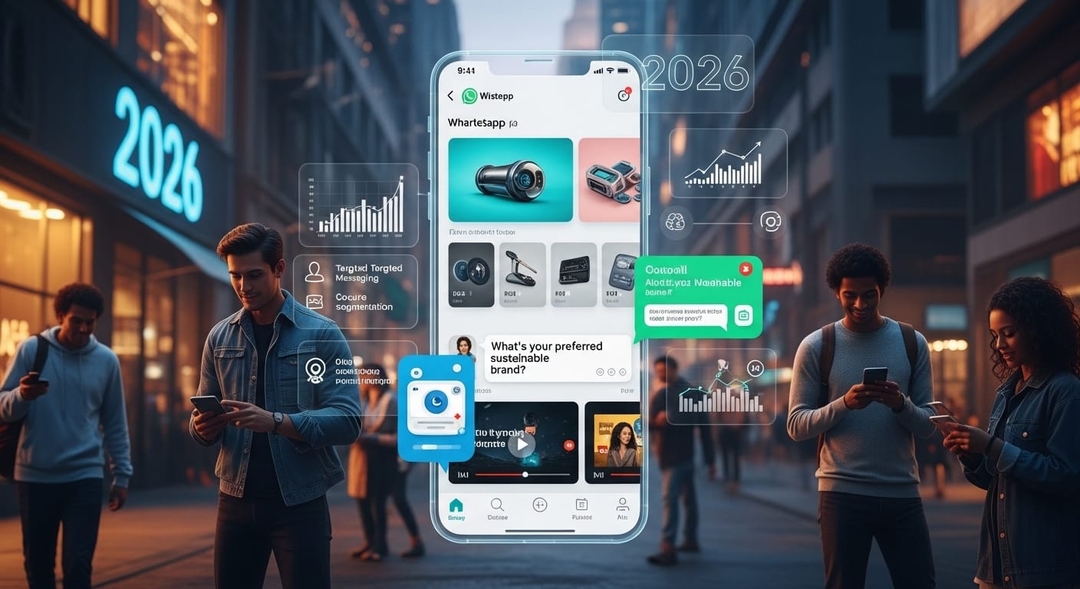
So here’s the thing about WhatsApp marketing. It is not some revolutionary idea that just landed from the future. Businesses have been texting customers for years. What changed is that WhatsApp made it feel normal. You are not sending an SMS that costs money and looks like spam. You are sending a message on an app that two billion people already have open on their phones. That is the whole trick, really. It works because it does not feel like work for the person receiving it.
And yeah, it is worth it for most businesses. Especially if you rely on talking to people directly, answering questions fast, and getting repeat orders. If your business runs on relationships, WhatsApp fits right in.
What is WhatsApp marketing? Basically, you use WhatsApp to stay in touch with leads and customers. Could be promos, could be support, could be a follow-up after someone fills out a form. Whatever keeps the conversation going.
How does it work? You either use the WhatsApp Business app (free, fine for small teams) or you connect through the WhatsApp API if you need something more serious. From there you can automate some replies, organize chats, and plug it all into your CRM or sales tools.
Why People Actually Reply on WhatsApp
Nobody likes getting cold called at 2pm on a Tuesday. And emails? Half of them never get opened. We all know this. But WhatsApp messages? People read those. Sometimes within seconds. That is not because WhatsApp is magic. It is because the app already lives on their home screen. They check it constantly for personal stuff. So when a business message pops up between a family group chat and a friend’s meme, it gets seen.
That is why brands in retail, healthcare, real estate, education, and honestly dozens of other industries have gone all-in on this. The channel sits inside people’s daily routines. A message that shows up at the right time, says something actually useful, and does not waste anyone’s time? That barely registers as marketing. It just feels like someone being helpful.
And here is the part that does not get talked about enough. Customer attention is all over the place right now. Their inbox has 47 unread emails. Their Instagram feed is a blur. Google catches them in a moment of curiosity, sure, but then what? Messaging picks up the thread after that moment. Someone asks a question, you reply, they click a link, and two days later they come back to the same conversation. No starting over. No re-explaining. That kind of continuity is rare, and it kills a lot of the friction that makes people abandon purchases before price even comes up.
Stop Blasting. Start Thinking.
Here is what a bad WhatsApp campaign looks like. You take your entire contact list, write one message, and send it to everybody. Same promo. Same wording. Same time. Congratulations, you just annoyed 80% of your audience and the other 20% ignored you. That is not a campaign. That is a loudspeaker.
What actually gets results is way less dramatic. You think about who you are messaging and why. Someone who asked about pricing last week is in a totally different headspace than a loyal customer who just wants to know when a product is back in stock. Different people need different messages at different times. That should be obvious but you would be surprised how many businesses skip this step.
The structure itself is pretty simple. Start with a trigger — maybe someone filled out a form, left items in their cart, requested a quote, or just made a purchase. Then decide what you actually want to happen. A reply? A booking? A payment? A demo? Just a confirmation that they got the info? Map out the flow from there. First message, then what happens if they do not reply, then a reminder, then when a human jumps in, and finally when the sequence stops. That is a real campaign. It has a beginning, a middle, and an end. Most teams just have a beginning and then silence.
When the Basic App Is Not Cutting It Anymore
The free WhatsApp Business app does the job when you are small. Maybe you have five people messaging you a day. You can keep track of who said what. Fine. But once that number hits 30, 50, 100 conversations a day? Stuff starts falling through the cracks. Someone does not get a reply. Two people respond to the same customer with different answers. You cannot pull any real data on what is happening. It becomes a mess.
That is when businesses usually start looking at platforms that pull everything into one dashboard. Sales sees the same threads as support. Nobody has to forward screenshots or ask “did anyone reply to this person?” Those tools also help you organize templates, tag contacts, set up flows, and route messages to whoever should be handling them. Some plug into your CRM — and if you are curious about how that actually works in practice, we broke it down in our guide on CRM integration for small businesses. The right pick depends on your setup, but the idea stays the same everywhere: get organized without sounding like a robot. Because the second your messages start feeling automated and cold, you have lost the whole point of using this channel.
Chat Is Not a Side Hustle. It Is Part of the Sale.
This is where a lot of companies mess up. They treat WhatsApp like it is separate from their actual sales work. Like it is a nice-to-have. Something the intern manages between lunch breaks. But when someone messages you asking about a product, checking if something is in stock, or requesting a quote — that is a sales interaction. Full stop. Whether it is early or late in their decision, it deserves the same seriousness you give a phone call or a face-to-face meeting.
A real messaging sales flow has stages. You qualify the lead. You respond quickly (more on that in a second). You share the right info. You handle objections. You confirm what happens next. If you want a deeper look at how to structure this properly, our piece on building a better sales process walks through it step by step. Messaging makes some of this faster because you cut out all the scheduling. People can ask short questions without booking a call. You can send catalogs, videos, voice notes, and payment links in the same thread. When it is easy to keep moving forward, people keep moving forward. When it gets clunky? They ghost. Quietly. Without telling you why.
Your Biggest Problem Probably Is Not Leads. It Is Speed.
I have seen this over and over. A business will tell you they need more leads. But when you look at their existing chats, there are 40 unanswered messages sitting there from this week. That is not a lead problem. That is a response time problem. They reply too late. Stuff gets lost when it moves between teams. Follow-ups fall off a cliff.
Messaging makes this embarrassingly visible. You can literally see the timestamp gap between a customer asking something and your team responding. You can see exactly where conversations die. And there is usually a pattern — people go quiet right after getting a price. That tells you something. Maybe the price needs context. Maybe you need a follow-up message that says “hey, any questions about the quote?” instead of just waiting and hoping.
Fixing this is not some huge project. Sometimes it means writing a better opening reply. Sometimes it means routing high-value conversations to your best closer instead of whoever happens to be free. Sometimes it is giving your team a few saved replies that do not sound like they were copy-pasted from a training manual. Little stuff. But it adds up. Most sales improvements do not come from one big change. They come from a dozen small ones that nobody notices individually but make a real difference together.
B2B Is Slower, But Messaging Still Earns Its Keep
Selling to other businesses is a different animal. More people involved in the decision. Longer timelines. Budgets that need three rounds of approval. Lots of back and forth before anyone signs anything. I get it. But the people making those decisions are still checking their phones. They still appreciate a quick heads-up that you received their RFP. Or a message clarifying a technical spec instead of scheduling yet another call.
For B2B teams, WhatsApp works best as a support layer around the main process. Maybe the first contact comes through LinkedIn or a website form. After that, you move to WhatsApp for the quick stuff — reminders about a proposal deadline, a nudge about a document you are waiting on, a casual check-in to keep things warm. Not every buyer will want that, and you should not push it on people who prefer email. But the ones who are comfortable with it tend to respond faster. And in a sales cycle that lasts months, small signs that you are responsive and easy to work with build trust in ways that are hard to measure but very real.
Automate the Boring Stuff. Leave the Real Stuff to People.
Automation gets hyped up like it solves everything, and honestly that annoys me a little. Yes, it is useful. Automated greetings save time. Smart routing means the right person gets the right chat. Reminders go out without someone having to remember. Order confirmations happen instantly. All good. But when every single message a customer receives feels like it was assembled by a machine? That is when people check out. We wrote a whole piece on getting automation right without losing the human touch if you want to dig deeper into this.
The trick is knowing where to draw the line. Let the software handle timing, admin, and routing. Let humans handle anything that requires reading a situation, showing empathy, or making a judgment call. A lead gets an instant reply so they know someone is there. The right team member gets pinged. Conversation history is right in front of them. And then a real person takes over when it matters. That is the right balance. Not “automate everything so we can cut headcount.” That mindset kills the channel.
AI Is Useful. It Is Not a Replacement for Caring.

Look, AI tools have gotten genuinely good at handling routine stuff. Qualifying leads, answering basic questions, sharing tracking info, collecting customer details, routing chats — all of that can happen automatically now without making anyone wait. Great. But here is where it breaks down. If you drop an AI bot on top of a messy workflow and expect miracles, you are going to be disappointed. The bot is only as good as the structure behind it.
AI handles the first layer well. Store hours. Service areas. Return policies. Stock checks. Appointment scheduling. Perfect. Let it do that all day long. But you need a clear, obvious exit ramp for when things get complicated — an upset customer, a tricky technical question, or someone who is genuinely ready to spend money and needs a human to close. People do not mind talking to a bot when it actually helps. What they hate is getting looped. Repeating themselves. Getting answers that technically respond to their question but completely miss the point. AI belongs in this space. Just make sure there is always a door to a real person right behind it.
Managers: You Need Data, Not Gut Feelings
Most sales managers step in after things have already gone sideways. Response times are slow, deals are not closing, and nobody can explain why. By then you are already losing money. A smarter setup gives you visibility into what is happening while it is happening. Who is replying fastest? Where do conversations stall? Which lead sources actually convert into paying customers? That kind of info turns management from guesswork into something actionable.
And here is the reality with growing teams — chat gets messy fast. One person replies from their phone. Another person uses the desktop app. Someone else has a spreadsheet going on the side. Nobody planned for it to get this chaotic. It just happened gradually. A proper system puts structure around it. Who owns this conversation? What stage are they at? Was a quote sent? Did the prospect come back? Do we need to escalate? These seem like small questions. They are not. They sit right in the middle of whether your messaging channel makes money or just makes noise.
Tracking the Sale Through the Conversation
One nice thing about selling through messaging is that the whole journey can happen in one thread. Someone discovers you, asks questions, weighs their options, makes a decision, pays, and even gets onboarded — all without leaving the chat. Or it stretches out over a few days and they pick right back up where they left off. No lost context. No “can you remind me what we discussed?” That continuity alone is worth a lot commercially.
Here is a rough sketch of how it maps out:
|
Stage |
What the
Person Does |
What You
Should Do |
|
Just Curious |
Asks a vague or general
question |
Be friendly. Keep it short.
Do not overwhelm. |
|
Getting Serious |
Asks for prices, specs, or
options |
Be specific and fast. Show
you know your stuff. |
|
Almost Ready |
Wants proof, reviews, or
reassurance |
Give straight answers. Do
not push too hard. |
|
Buying |
Needs help paying or
booking |
Walk them through it step
by step. |
|
Coming Back |
Wants support or wants to
reorder |
Be proactive. Make it easy
to buy again. |
This is deliberately simple. It should be. Most teams overthink this stuff. If you know roughly where someone is in their journey, you can write a better message for that moment. That alone makes a noticeable difference.
Your Messaging Channel Is Only As Good As Everything Around It
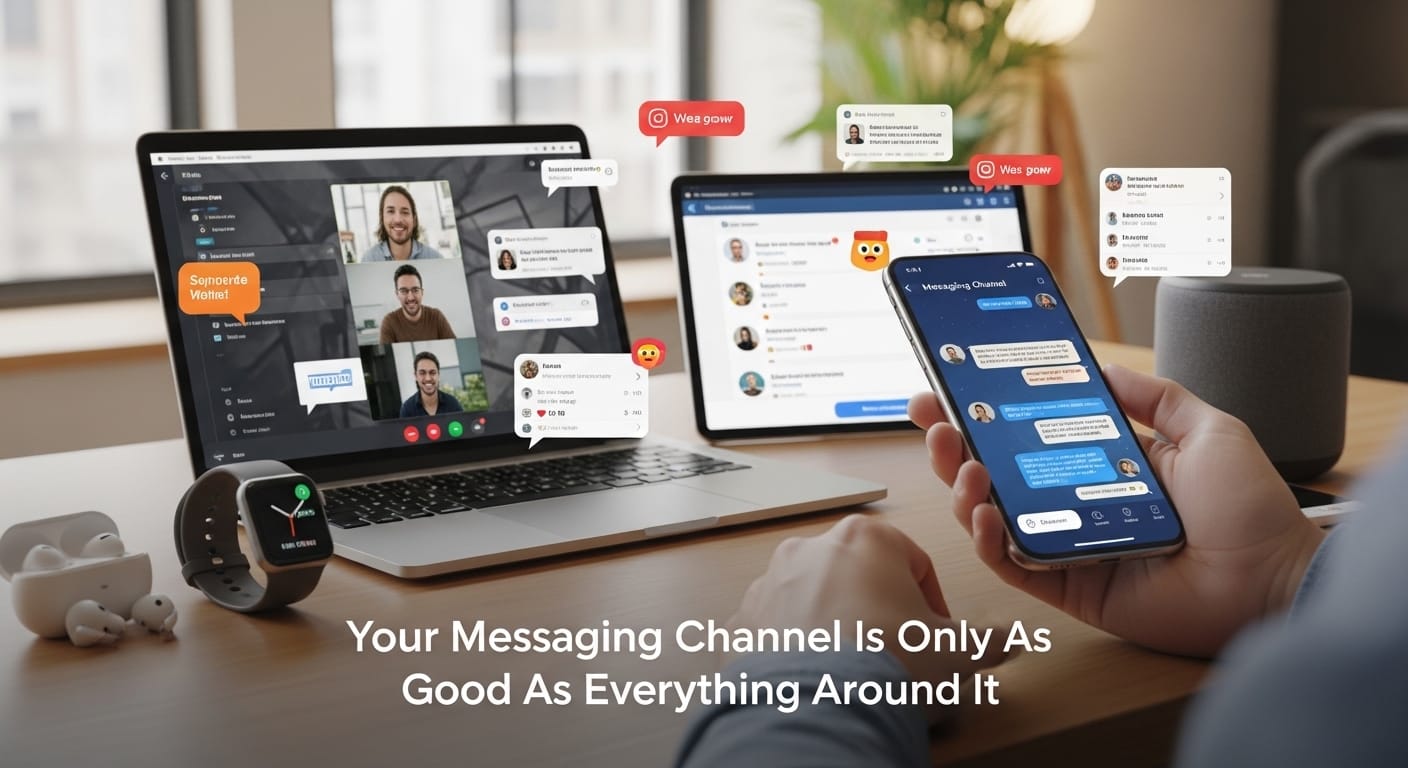
WhatsApp on its own is just an app. What makes it powerful is when it plugs into how your business actually runs. When a lead comes in, does it go to the right person? When a sale closes, does the right confirmation go out without someone having to manually trigger it? When a customer reports a problem, does the support team have enough context to help without asking the same questions all over again? That is the stuff that matters. It is not exciting. It is not a feature you put on a landing page. But it is the difference between a channel that generates revenue and one that just creates more work.
And different businesses should use messaging differently. That seems obvious but worth saying. A dentist’s office uses it for appointment reminders and aftercare instructions. A real estate agent uses it to qualify leads and schedule viewings. A SaaS company sends demo reminders and onboarding tips. An online store sends restock alerts and delivery updates — and if you run an e-commerce brand, you might want to check out why more online stores are switching to Kuikwit for WhatsApp support. Same channel, completely different playbooks. The common thread is making sure every message is genuinely useful within whatever process it supports.
Common Mistakes That Tank Your Results
Number one: treating WhatsApp like email with a different color scheme. Long promotional paragraphs nobody asked for. No segmentation. Bad timing. No thought about consent. That burns trust in about two messages flat.
Number two: over-automating and then walking away. You set up templates, triggers, and bot responses and assume the channel runs itself. It does not. Someone needs to be watching the replies. Someone needs to fix the flows that are not working. Someone needs to notice when open rates drop.
Number three: getting the tone wrong. Some brands sound like a legal department drafted their chat messages. Others try way too hard to be your buddy. Neither works. Aim for clear, warm, and useful. That is it.
Number four: making it impossible to reach a human. If someone has a real issue and they are stuck talking to a bot that does not get it, frustration spikes fast. Always have an escalation path. Always.
WhatsApp vs. Email vs. Social DMs — Where Does Each One Fit?
This is not an either-or thing. Email is great for detailed stuff, formal proposals, records, and longer content. It is not going anywhere. Social DMs work for casual inbound messages, but they are messy and tied to whatever algorithm the platform is running that week. Messaging apps sit in a more personal space. People check them reflexively. That is an advantage, but only if you treat the access with respect.
Chat usually gets faster opens and quicker replies than email. It supports better conversational flow than social DMs, especially when plugged into real operational tools. But the expectations are higher too. People feel like their WhatsApp is personal territory. If you show up there with something irrelevant, the reaction is harsher than it would be with a bad email. So the question is never “which channel is best.” It is “which channel creates the least friction for this person at this moment.” Good marketers pick the channel that makes things easiest for the customer, not the one that is easiest for the marketing team.
A Quick Word on Weird Search Intent
Every now and then a keyword like “used process equipment for sale” shows up in research for messaging strategy content. Seems random, right? It kind of is. But it also shows something real about how people search. Buyers mix all sorts of intentions in one session. Someone looking at industrial equipment might also be comparing vendors, checking logistics options, and wanting to message a supplier directly for a quick quote. That is messy. But it is how real purchasing behavior works.
The point is not that every keyword belongs in the same article. It is that commercial search behavior does not follow clean lines. People bounce between research, comparison, and direct outreach. A strong messaging setup catches them once they actually reach out. Traffic gets people to your door. Intent tells you who is serious. And how quickly and thoughtfully you respond determines whether they stay or leave. That last part is what most businesses still get wrong.
FAQs
What do people actually use WhatsApp marketing for?
Following up with leads. Sending promos that are actually relevant. Recovering abandoned carts. Customer support. Appointment reminders. Reorder nudges. Post-purchase check-ins. It depends on your business model, but the sweet spot is wherever a quick, personal message can keep someone from dropping off.
Does it work for small businesses?
Really well, actually. If your revenue depends on having direct conversations — local services, clinics, online shops, consultants, real estate — then response speed matters a lot. WhatsApp lets small teams punch above their weight because they can reply fast and personally.
How do you avoid being annoying?
Get consent first. Send fewer messages but make each one count. Segment your audience. Write like a person, not a content machine. And maybe the biggest one: do not message someone unless you actually have something they would want to hear.
Can automation coexist with trust?
Yes, but only if you keep it in its lane. Automatic greetings, reminders, and routing are fine. What kills trust is when people get stuck in a loop with no way out, or when they can tell the “personalized” reply is anything but. Know where to let a human take over.
Is WhatsApp better than email for selling?
Not always better. Faster, usually. Email still wins for detailed proposals and formal stuff. But when you need quick back-and-forth, continuity, and low friction between question and answer? Messaging has the edge.
Which industries benefit most?
Retail, healthcare, education, travel, real estate, home services, beauty, automotive, and plenty of B2B services. Basically any business where a timely reply or a well-placed reminder can nudge someone from thinking about it to actually doing it.
At the end of the day, WhatsApp marketing is not a trend you chase or a magic button you press. It is just a practical way to talk to people using a tool they already have in their pocket. Respect that, build around it thoughtfully, and the results take care of themselves.